Service Guide
Artificial Grass & Turf
Costs in California
Plan a lawn replacement budget, compare installation quotes, and understand materials, maintenance, water use and rebate eligibility.
$12–$20
Budget assumption / sq ft
Site Review
Access, base & drainage
Water Use
Calculate from your lawn
Not eligible
SoCal Water$mart synthetic turf
How Much Does Artificial Turf Cost in California?
This guide uses $12–$20 per square foot as an editorial budgeting assumption for a residential artificial grass installation. That produces $6,000–$10,000 for 500 sq ft or $12,000–$20,000 for 1,000 sq ft. These are calculated scenarios, not a verified statewide market range or contractor offer.
Artificial turf is a manufactured grass-like surface. The installation includes more than the roll: existing lawn removal, base preparation, drainage, edges, seams and infill all need a written scope. Product selection and site conditions can change the total.
| Lawn size | At $12–$20 / sq ft | At $14–$18 / sq ft |
|---|---|---|
| 200 sq ft (side yard / pet run) | $2,400 – $4,000 | $2,800 – $3,600 |
| 300 sq ft (small front yard) | $3,600 – $6,000 | $4,200 – $5,400 |
| 500 sq ft (front yard) | $6,000 – $10,000 | $7,000 – $9,000 |
| 1,000 sq ft (full yard) | $12,000 – $20,000 | $14,000 – $18,000 |
| 1,500 sq ft (front + back) | $18,000 – $30,000 | $21,000 – $27,000 |
| 2,000 sq ft (large property) | $24,000 – $40,000 | $28,000 – $36,000 |
Methodology: each amount is area multiplied by the stated rate. The $14–$18 column is a narrower scenario within the $12–$20 assumption, not a measured material average. We have not validated these rates against completed local invoices. Minimum charges, offcuts, access constraints and excluded work may change your quote.
Budget the full synthetic installation cost: SoCal Water$mart excludes synthetic turf from its turf replacement rebate. Compare actual proposals with the same removal, base, drainage, product, labor and tax scope.
The lawn area and the amount of turf ordered may differ. Check the roll-size example and price units below before multiplying a material price by your lawn measurements.
Turf Material Cost: Lawn Area vs. Roll Quantity
Ask the supplier to separate the area being covered from the material being purchased. SYNLawn's installation guide for Lowe's describes 15 ft rolls and asks installers to plan measurements around a consistent blade direction. Confirm the width of your selected product; it is not universal.
A 480 sq ft lawn can need a 600 sq ft roll cut
For this simplified example, assume a rectangular 12 × 40 ft lawn, one continuous piece cut from a 15 ft wide roll, and no extra trimming allowance. A different seam layout or reuse of offcuts may change the order.
| Measure | Calculation | Result |
|---|---|---|
| Installed lawn area | 12 × 40 ft | 480 sq ft |
| Roll cut ordered | 15 × 40 ft | 600 sq ft |
| Offcut area | 600 − 480 sq ft | 120 sq ft |
| Assumed material-only cost | 600 sq ft × $3/sq ft | $1,800 |
The ordered area is 25% larger than the installed area in this example. The assumed $3 material rate is not a market estimate or quote. The $1,800 calculation excludes delivery, tax, removal, base work, drainage, infill, seams and installation labor. Do not multiply the extra material area by a full installation rate unless the installer explains that billing basis.
Square feet, linear feet and complete installation prices
Purchase Green's measurement guide lists its artificial grass by square foot and seaming tape by linear foot. Check each quote line's unit. One linear foot of a 15 ft wide roll is 15 sq ft; at the example's assumed $3/sq ft, that would be $45 per linear foot of roll, not $3.
Request a dimensioned layout showing roll width, cut lengths, blade direction, seams and reusable offcuts. Ask which measurements the supplier will bill, what cutting allowance is needed, and whether surplus material can be returned. A fixed percentage added to lawn area is not a substitute for a layout.
Sources checked September 15, 2026. The supplier documents support measurement and layout principles; the yard dimensions and dollar inputs above are our arithmetic illustration.
What Should a Los Angeles Turf Installation Quote Include?
A turf-roll price and a finished yard price describe different purchases. For a Los Angeles project, ask the installer to measure the area and explain access, drainage and site preparation before accepting a per-square-foot total.
- Area and product: installed square footage, offcut allowance, manufacturer, model, fiber, backing and warranty documents.
- Removal and preparation: existing lawn removal, excavation, disposal, base materials, compaction and grading.
- Drainage and irrigation: how water leaves the surface and base, any drains or pet-area requirements, and sprinkler changes.
- Finishing: edging, seams, fastening system, infill, brushing and cleanup.
- Commercial terms: labor, delivery, taxes, minimum charges, exclusions, change orders and separate product and installation warranties.
Ask whether difficult access, roots, demolition or drainage repairs are fixed-price items or allowances. A higher quote may include work omitted from a lower one; compare the completed scope before choosing a turf installer.
Free planning guide
Take the artificial turf cost guide with you.
Real installed prices per square foot, infill and drainage choices, and the questions that separate a good turf installer from a cheap one.
Free for California homeowners. Unsubscribe anytime.
Turf Materials: Nylon vs. Polyethylene vs. Polypropylene
Fiber type is one specification, not a complete performance rating. Compare samples with the same intended use, then read the manufacturer’s technical sheet for the complete turf and infill system.
Polyethylene: compare lawn products for blade feel, pile height, thatch, backing and the appearance of seams. Ask which care instructions apply to the selected model.
Nylon: if considering a putting green or heavily used area, ask the supplier for products specified for that use, including the supporting base and infill. Do not infer protection from grill heat or reflected sunlight from the fiber name alone.
Polypropylene: confirm whether it forms the face fiber, thatch or a blend, and what applications the manufacturer supports. Compare the installed system and warranty rather than assigning a lifespan from the polymer alone.
Put samples where the yard will be used and assess texture and appearance in sun and shade. Ask about surface heat, reflected-window damage, replacement availability and warranty exclusions. An advertised warranty length is not a guaranteed service life.
Water Savings & California Drought Context
Estimate savings from the irrigation used by the lawn being removed. Subtract water you expect to use for cleaning, pets or cooling the new surface. Climate, shade, area and previous watering habits make a fixed saving per yard unreliable.
LADWP’s often-cited figure of 44 gallons per square foot per year compares grassy lawns with sustainable landscaping. Its November 2022 newsletter does not establish a guaranteed synthetic-turf saving. We do not use that figure as a measured result for artificial grass.
Calculate your own water-use scenario
For illustration only: assumed lawn irrigation of 20,000 gallons a year minus 2,000 gallons for turf cleaning gives 18,000 gallons less use. At an assumed $0.01 per gallon in variable water charges, that is $180 a year. Replace every input with your own estimate; fixed utility charges may remain.
Use bills or irrigation records to estimate the lawn portion, rather than assigning the whole household bill to the project. Compare avoided mowing and lawn-care costs with turf cleaning, maintenance and eventual replacement. Check your water agency’s current rules for the proposed use.
California Turf Rebates: Synthetic Grass Eligibility
SoCal Water$mart’s eligibility requirements explicitly exclude synthetic turf. A qualifying planted conversion requires approval before work starts and must satisfy the program’s planting, permeability, stormwater and irrigation rules. Removing a lawn alone does not establish eligibility.
Check the program serving your address before committing to a budget. If a rebate is central to the project, compare an eligible planted conversion with synthetic grass using the actual costs and upkeep of each option. Our landscaping guide can help you plan the alternative.
Pet-Friendly Turf, Maintenance & HOA Considerations
For a pet area, ask how the entire installation handles drainage and cleaning, including the base and the path water takes off the site. A backing’s advertised drainage rate does not establish how the finished yard will drain.
Request the selected turf, infill and cleaner documentation. Avoid treating “pet-friendly” or “antimicrobial” marketing as a blanket safety or odor guarantee. Plan waste pickup, rinsing and product-compatible cleaning, and assess the surface conditions before children or pets use it.
Artificial turf still needs care: remove debris, brush as directed, inspect edges and seams, and follow the manufacturer’s cleaning instructions. Ask who pays for replacement labor if a product warranty applies, and how wear, sun exposure and reflected heat are treated.
California Civil Code 4735 limits HOA rules that prohibit artificial turf or grass-like synthetic surfaces. Associations may still apply landscaping rules consistent with that section. Obtain the applicable design requirements and review process, and check local requirements separately.
How a Turf Installation Works
Measure and compare options
Measure the area, review drainage and shade, and compare synthetic turf with living landscape alternatives.
Specify the installation
Agree on the product, removal, base, drainage, edging, infill and irrigation changes in a written quote.
Prepare the site
Remove the existing surface and prepare the grading and base for the selected system and site conditions.
Install and inspect
Lay and join the turf, finish edges and infill, and review drainage, seams, warranty and care instructions with the installer.
FAQ
Frequently Asked Questions
Ready to start your artificial turf project?
Get matched with 2-3 vetted California contractors. 100% free, no obligation.
Find My ProsCost Index
Artificial Turf budget ranges
See 2026 planning ranges, cost drivers, budget tiers, and timeline notes for this project type.
Open cost dataMethodology
How Golden Yards builds ranges
Review how we normalize California costs, site conditions, source limits, and editorial updates.
Read methodologyGlossary
Terms that change bids
Define base prep, drainage, allowances, setbacks, permits, and other outdoor project terms.
Browse termsTerms in this guide
Quick definitions for the bid language that changes scope, cost, and contractor comparison.
Keep Reading
Explore More California Guides
Your Next Step: Getting Artificial Turf Installed in California
Prepare your measurements and installation scope, then request a match with a turf professional.
Free project matching · Share your location, scope and budget
Recent articles in this topic
Specific reporting and how-to from the Artificial Turf beat across California.
Cost Guide
How Much Does an Artificial Turf Install Cost in Oakland in 2026?
An artificial turf install in Oakland in 2026 costs $12 to $25 per square foot, with most homeowners spending $12,000 to $24,000. The biggest hidden cost is the extensive base prep and drainage needed for the area's clay soil.
Howto
Your Bellevue Artificial Turf Install Project Checklist for 2026
A guide to installing artificial turf in Bellevue for 2026. Learn about costs ($14-$24/sqft), finding contractors, and the critical role of drainage in the PNW climate.
Mistakes
Why an Artificial Turf Install Project in Irvine Goes Over Budget
An artificial turf install in Irvine often goes over budget due to hidden costs in site prep, drainage, and materials. Here's how to anticipate the real costs and avoid expensive mistakes.
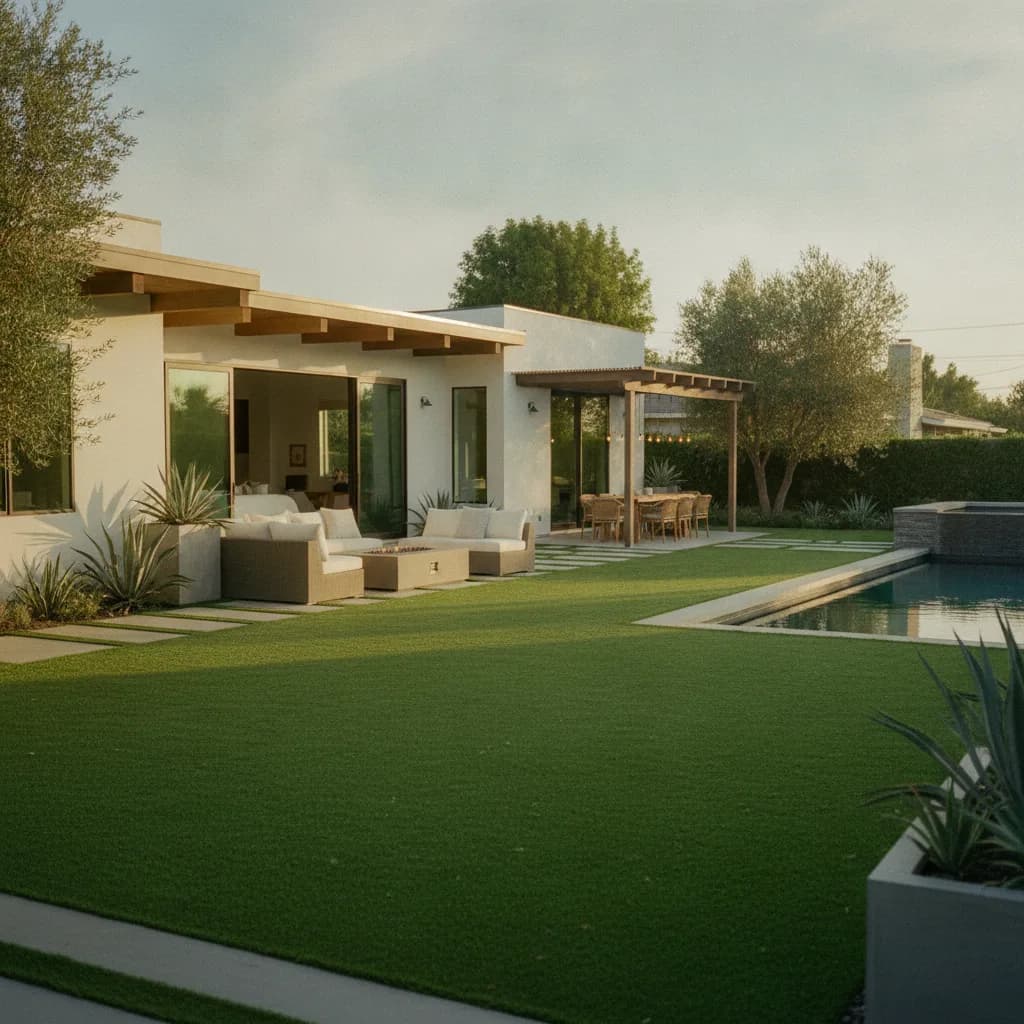
Comprehensive Guide
Artificial Turf in Los Angeles: The Complete Homeowner's Guide to Synthetic Grass That Saves Water and Looks Amazing Year-Round
For Los Angeles homeowners, the dream of a lush, green lawn often clashes with the reality of persistent drought conditions, escalating water bills, and the...
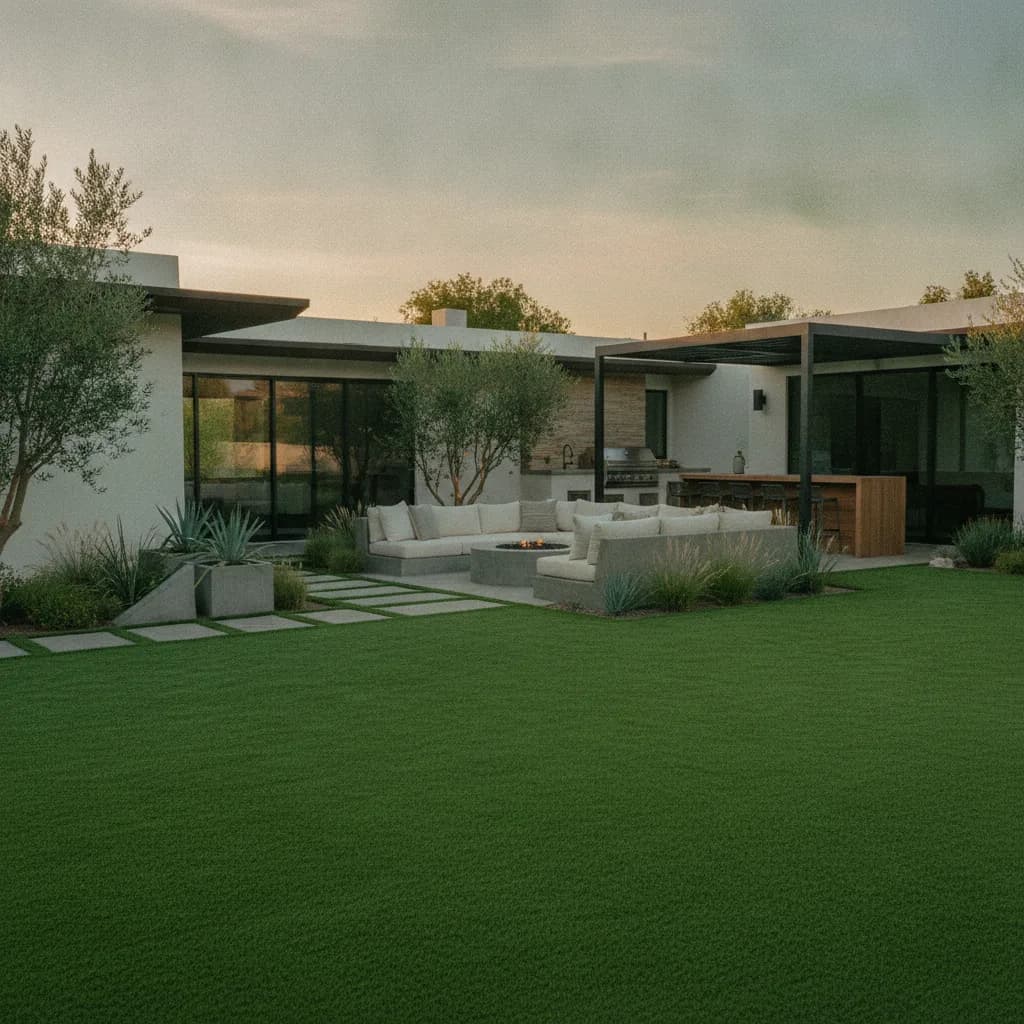
Artificial Turf
Artificial Turf LA: Cost & Install Guide
Artificial turf in Los Angeles costs $8-$18/sqft installed in 2026. LADWP rebates, water savings, heat solutions, and installation tips. Get a free estimate.